
Debt-Equity Ratio
Indicates what proportion of equity and debt that the company is using to finance its assets. Sometimes investors only use long term debt instead of total liabilities for a more stringent test.
Things to remember
- A ratio greater than one means assets are mainly financed with debt, less than one means equity provides a majority of the financing.
- If the ratio is high (financed more with debt) then the company is in a risky position, especially if interest rates are on the rise.
Shareholder Capital Analysis
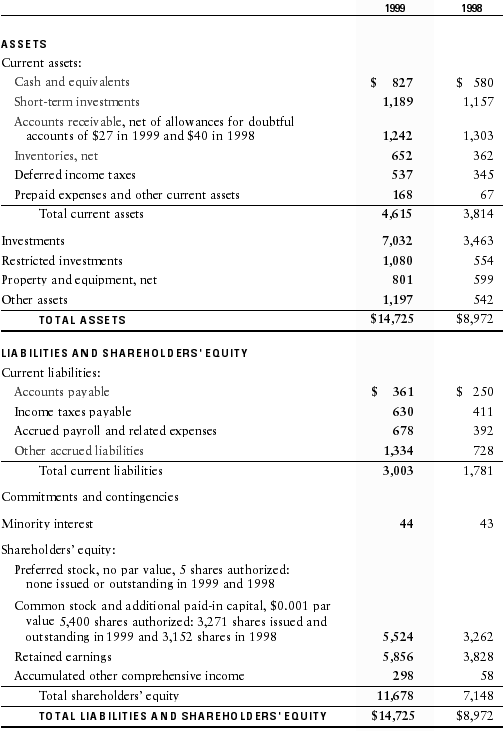
The shareholder's capital has risen quite a bit if you compare the balance sheet numbers versus the previous year. Again this could mean a number of things, there are a couple reasons that this could have happened. Perhaps they've made acquisitions which were partially paid for through the issue of stock, or maybe they took on additional share capital from another firm. Another possible reason is that they had to issue more shares because they were strapped for cash. For the most part a rise in share capital is better than a rise in debt, but too much of a rise could be cause for alarm.
The Debt/Equity ratio is certainly far from perfect! A low ratio of 0.26 means that the company is exposing itself to a large amount of equity. This is certainly better than a high ratio of 2 or more since this would expose the company to risk such as interest rate increases and creditor nervousness. One way to improve their situation would be to issue more debt and use the cash to buyback some of its outstanding shares. The problem with issuing more and more stock like Cory's Tequila Co. has done means that outstanding shares become diluted and existing investors receive a smaller ownership portion with each additional share issued.
Note: Some prefer to use only "interest bearing long term debt" instead of total liabilities to get a more precise calculation.